
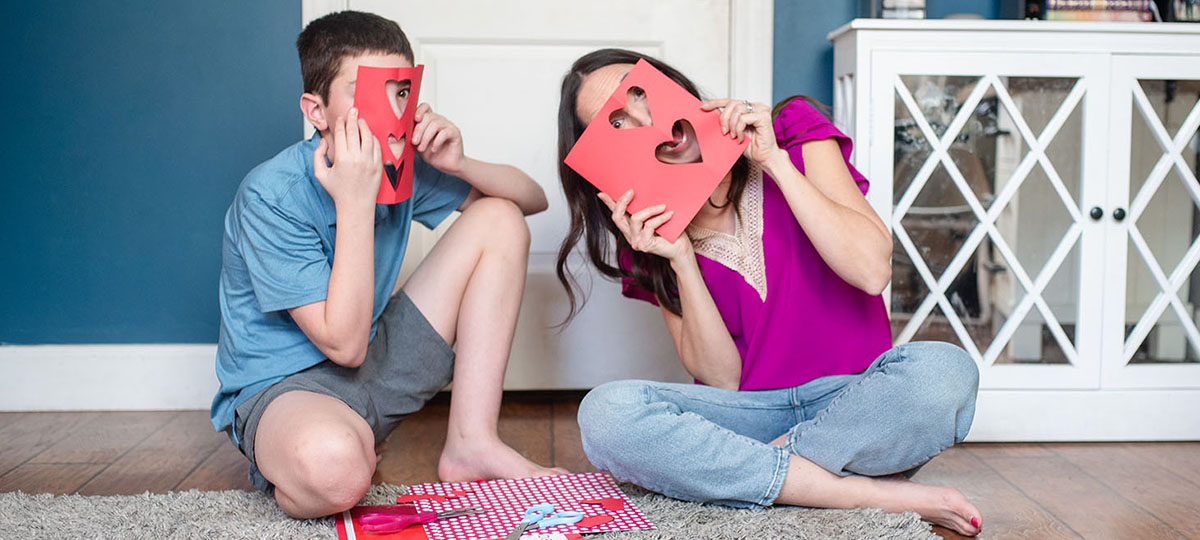
The Ultimate Guide to Becoming a Playful Parent
Inside: Discover how being a playful parent can transform your relationship with your child, reduce power struggles, and create lasting memories that build connection and emotional intelligence. *Disclaimer: This post contains affiliate links.
Originally published: 8/14/2025
Updated with podcast episodes: 7/9/26
Episodes 21-22 of The Raising Kids With Purpose Podcast: Learn why kids disobey you and how to use play as a much quicker and better parenting strategy than traditional methods like time-out. I also dive into how play can help you get out of parental burnout even when it feels like it’s the LAST thing you want to do.
EP 21: Why Your Kid Keeps Disobeying You And What Works Faster Than Timeouts
EP 22: How to Be a Playful Parent When You’re in Parental Burnout
EP 23: 5 Playful Habits that Help Build a Stronger Bond With Your Kids
A few months ago, my eight-year-old was NOT focusing when I told him it was time to put his clothes and shoes on for drum lessons.
I found myself repeating, “Get your shoes on,” every time I came into the living room. He was playing with his fingerboards and probably couldn’t even hear me.
I started to get angry because the story I was telling myself was that he was ignoring me on purpose.
Just as I was getting ready to yell, “GET YOUR STINKING SHOES ON!”, I remembered that being playful is going to be a lot quicker than getting into a full-blown power struggle with him. Immediately, I switched to an alien voice and announced, “Attention, Earth child! We need to board the spaceship in the driveway immediately for our mission!”
Within seconds, he was giggling and scrambling to put on his shoes. In less than two minutes, we were both “flying” to the car, and somehow, we left the house without any more tears.
This is the power of being a playful parent!
Table of Contents
Why Play is Your Secret Weapon as a Parent
Here’s what most parents don’t realize: play isn’t just fun and games or sitting and pretending with your kid (which most parents agree they are NOT a fan of)!
Play is one of the most powerful tools you have for building connection, teaching life skills, and creating the family culture you’ve always dreamed of.
Research from the American Academy of Pediatrics shows that play is essential for healthy brain development. But what’s even more insightful and fascinating to me is that when parents join in that play, the benefits multiply exponentially!
When you become a playful parent, you’re not just entertaining your child. You are:
- Building emotional regulation skills
- Strengthening your parent-child bond and helping your child develop a secure attachment
- Creating opportunities for natural learning
- Reducing power struggles and resistance
- Teaching problem-solving skills in a low-pressure environment
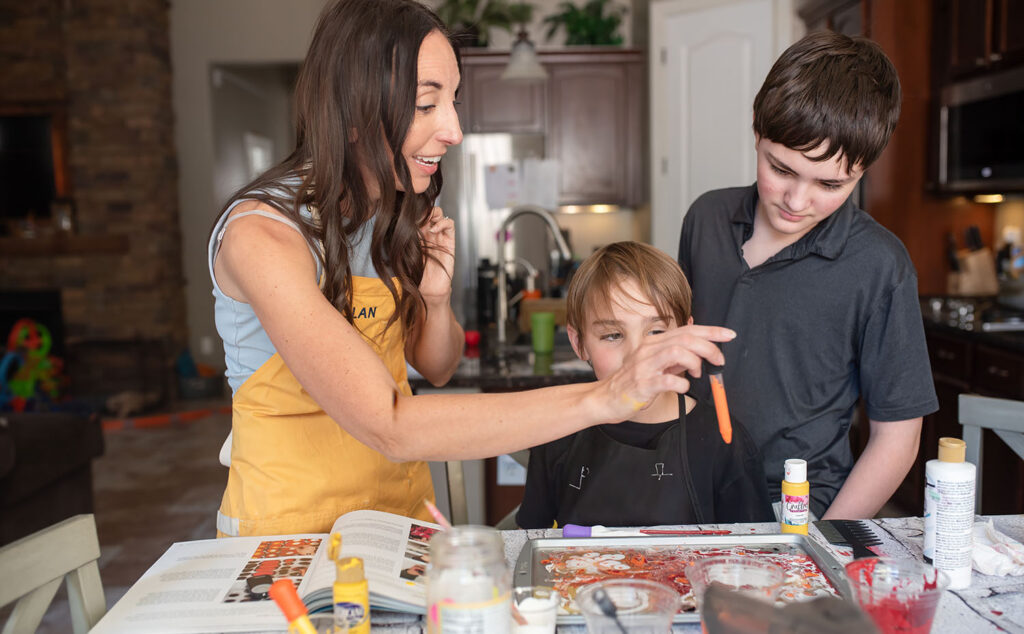
Read Next: Quality Time: The Best Way to Stop Misbehavior & Sibling Fighting
Think about it this way: would you rather yell at your kid to share a toy or find a playful way to teach how to share, where you are laughing and so are the kids? I vote for the latter!
Join me! I have a 4-week parenting class where you will dive DEEP into how to have fun with your kids. The live classes are full of practice, and we truly laugh almost the whole time! Learn how to love playing with your kids!
Learn more: Play With Purpose Parenting Class
The Science Behind Playful Parenting
Dr. Stuart Brown, founder of the National Institute for Play and the author of Play: How It Shapes the Brain, Open the Imagination and Invigorates the Soul, has spent decades researching how play impacts brain development. His findings are fascinating.
When children engage in play, their brains release BDNF (brain-derived neurotrophic factor), which is basically like fertilizer for growing neural connections.
But when parents join in that play? The benefits go through the roof!
During parent-child play, both your brain and your child’s brain release oxytocin, often called the “bonding hormone.”
This creates feelings of trust, empathy, and connection that last long after playtime ends. This means your kid will LISTEN TO YOU MORE because they feel connected to you. If this is something you’re desiring and feel like your kids struggle to behave or listen, my go-to strategy I encourage you to try is: PLAY!
PSSST: If you struggle with play and desire to have a strong relationship with your kids and want your kids to listen better, I’d love to talk to you! You can sign up for a Free Parent Support Call by finding a time on my calendar here.
Children who experienced regular playful interactions with their parents show:
- Far better emotional regulation
- Increased cooperation and compliance
- Stronger problem-solving abilities
- Higher levels of empathy and social skills
What It Really Means to Be a Playful Parent
Being a playful parent doesn’t mean you’re always “on” or that you need to be your child’s entertainment director.
What being a playful parent is NOT about:
- Constantly being silly or over-the-top (I mean, you could do this if you want to, I’m sure your kids would love it!)
- Abandoning all rules and structure
- Spending hours playing superheroes, chef, house ,or dolls
- Buying expensive toys or activities
Instead, being a playful parent means:
- Approaching challenges with curiosity instead of frustration
- Finding moments of lightness in everyday routines
- Using humor to diffuse tension. This especially works well with teenagers!
- Being present and engaged during natural play opportunities
- Viewing mistakes as learning adventures rather than failures
The Connection Between Play and Emotional Intelligence
One of the most powerful aspects of playful parenting is how it naturally builds emotional intelligence.
During play, children feel safe to express big emotions. They can be angry at the dragon in their story, sad when their block tower falls, or excited about their pretend restaurant.
As a playful parent, you become their co-regulator.
When you play, you can help your kids process emotions in a low-stakes environment.
I remember when my 13-year-old was struggling with anger management. Traditional talks about “using our words” or “stop cussing at me” didn’t do a whole lot. What worked was leaning into play when he was calm.
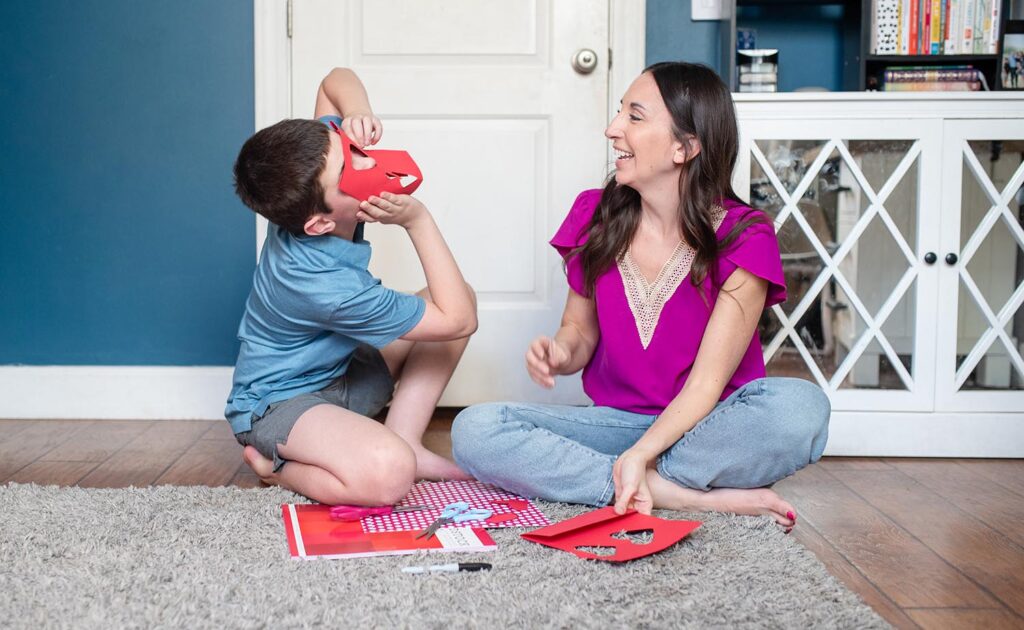
For my youngest, when I was writing this, he was getting very emotional and angry because his brother peeled potatoes faster than him. I’m not even making this up! Instead of telling him to stop crying or even the opposite of validating his feelings, I froze in my tracks, then asked if he wanted to be chased by a super villain. Before he had a chance to respond, I began chasing him down the hallway, throwing (pretend) fireballs out of my hands. Within minutes, he started to laugh, came in for a hug, and then we talked about his anger and frustration from losing.
Through play, we also practice breathing techniques where we become volcanoes. We take huge deep breaths, then we let out a huge exhale as we visualize lava spewing out of the tops of our heads. If you’re not so sure about this, I dare you to try it!
Since we’ve had such a playful relationship since my kids were young, any time I’m STRUGGLING, my kids will tap into play themselves to help me feel better. It’s seriously the best.
That’s the magic of playful parenting – it creates safe spaces for real learning.
How Playful Parenting Transforms Daily Routines
The beauty of being a playful parent is that you don’t need to set aside special “play time.” You can weave playfulness into the routines you’re already doing.
Morning Routines
Instead of: “Hurry up and get dressed!” Try: “I wonder if you can get dressed faster than the timer. Ready, set, go!”
Cleanup Time
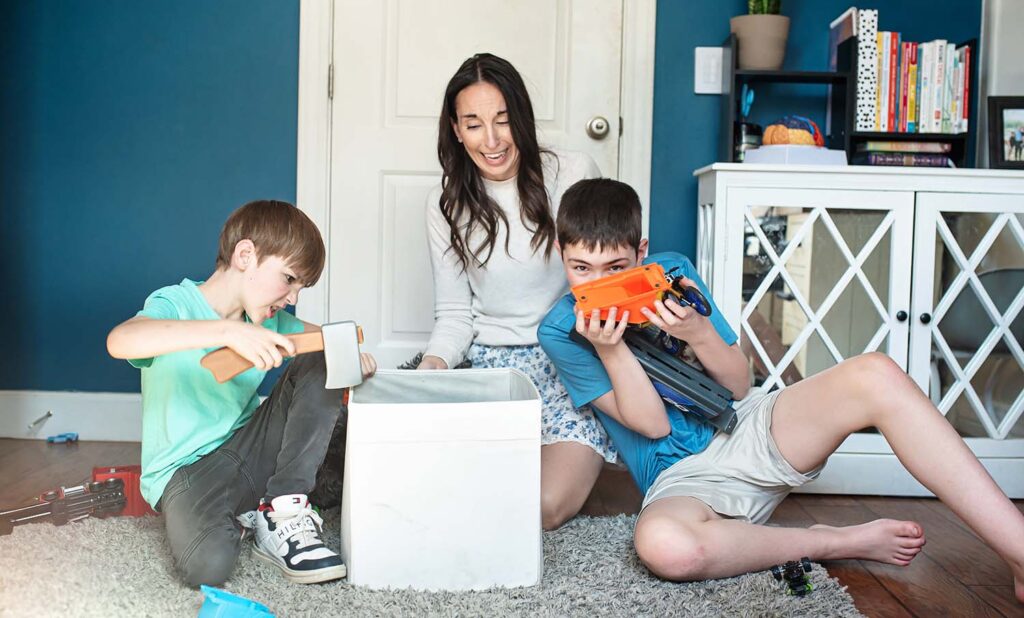
Instead of: “Clean up this mess right now!” Try: “Oh no! The toys are lost and need to find their way home. Can you be the rescue team?” Or sing songs! There are quite a few written specifically for this task. As my kids got older, I made up raps about cleaning up. We both laugh at how ridiculous I am, and their rooms get cleaned. Win-win!
Bedtime
Instead of: “Brush your teeth and get in bed.” Try: “The sleepy time fairy is coming, but first the tooth brushing monsters need to be defeated!”
Or my favorite is to have your child “brush your teeth” first. Then you can be silly and brush their then have them brush their own after.
Car Rides
Instead of listening to the same songs or dealing with sibling screaming, try creating ongoing story adventures, singing silly songs, or playing “I Spy” variations. We also LOVE to listen to Wow in the World, which is extremely playful but in a podcast. You can check out our other faves here.
These small shifts don’t take extra time, but they completely change your relationship with your kids!
The 5 Elements of Playful Parenting
Based on my work with families and kids, I’ve identified five key elements that make playful parenting most effective:
1. Presence
This means putting down your phone, making eye contact, and truly engaging with your child. Eye contact and a relaxed face communicate trust and safety to your child.
Even five minutes of full presence beats thirty minutes of distracted interaction.
2. Flexibility
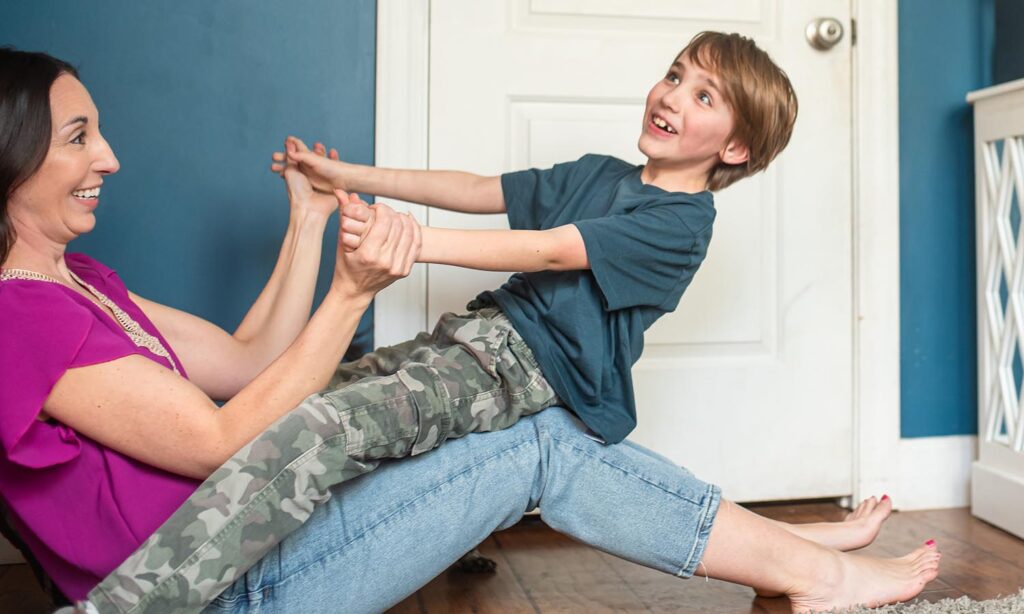
Playful parents are willing to go with the flow. If your preschooler wants to pretend the living room is lava, you don’t shut it down; you grab some “lava-proof” socks and join in.
Another playful interaction happened while writing this. My kids ran in asking if I could come find them in their forts. I kept writing, then realized my kids are seeking connection through play, which is the exact thing I’m telling you about. So I stopped typing, walked into my son’s room, and pretended not to be able to find them since I could tell they were hiding.
When I finally “stumbled” into one of my boys, the whole room erupted with laughter. I proceeded to be playful for a few more minutes, then returned to writing this.
3. Curiosity
Instead of having all the answers, playful parents ask questions. “I wonder what would happen if…” or “What do you think we should try next?”
Curiosity is what transforms you from a director into a co-explorer with your child.
I’ve also found that curiosity allows me to follow my kids’ lead, which honestly takes a lot less brain power than having to come up with something myself!
When your toddler insists on wearing their superhero cape to the grocery store, instead of immediately saying “no,” a curious parent might ask, “What superpowers do you think you’ll need at the store today?” When your preschooler builds the same block tower for the tenth time this week, curiosity leads you to wonder, “What makes this tower so special? What’s your favorite part? Can you teach me how to build one?” Or you could just start stacking the blocks onto each other.
Curiosity also means approaching challenging behaviors with wonder instead of frustration. When your child is acting out, instead of immediately correcting, you might think, “I wonder what they’re trying to tell me right now?”
This shift from knowing to wondering opens up space for your child to be the expert in their own experience. It validates their perspective and often leads to solutions you never would have discovered on your own.
I remember when my middle son went through a phase of refusing to sit at the dinner table. Instead of battling over it every night, I got curious. “I wonder why sitting in that chair feels hard for you right now? Then I found a way to be playful so he would at least stand at the table and eat his food. Eventually, he learned how to sit and use proper manners.
Curiosity also means being genuinely interested in your child’s ideas, even when they seem wild or impractical. When they suggest we paint the dog or build a rocket to the moon, curious parents explore those ideas: “Tell me more about that! How do you think we could make that work?”
Read Next: The Importance of Creative Kids
4. Acceptance
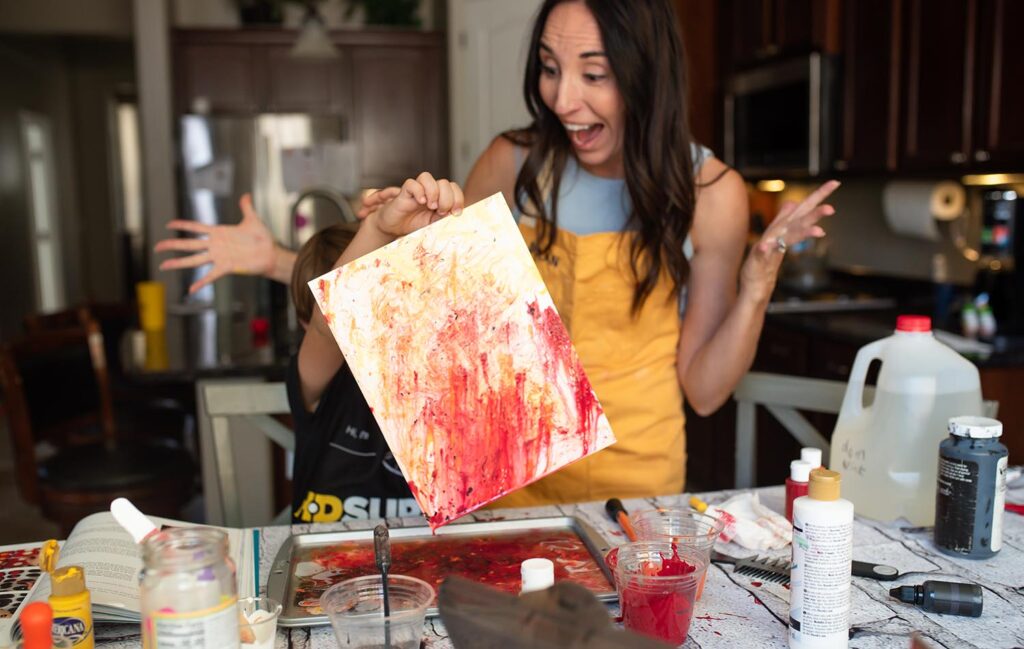
Playful parenting means accepting that things will get messy, loud, and sometimes chaotic. It’s also a great opportunity to teach life skills like cleaning up, so you don’t have to be the one to do it.
Acceptance goes deeper than just tolerating noise and mess.
It’s embracing your child exactly as they are right now, not who you think they should be or who you hope they’ll become. It means accepting that your naturally quiet child might never be the leader or a public speaker, and your highly energetic child might never sit still to build a puzzle or read a physical book.
Playful parents work with their child’s natural temperament instead of against it.
Acceptance also means letting go of picture-perfect moments.
Instead of seeing things as problems to be prevented, acceptance allows you to see them as proof that real connection and joy are happening in the moment.
Family game nights used to be rough with my highly perfectionistic, cognitive inflexible son, so I would avoid them at all costs. Then I realized those “failed” game nights were a great way to teach resilience and flexibility. Also, they were a chance to connect even when it got a little intense. There is still value in the messy parts of your relationship with the people in your family.
Acceptance also means being okay with your own imperfections as a playful parent.
You’re going to have days when you’re too tired to play. You’re going to try to connect through play that doesn’t seem to work. You’re going to suggest activities that your kids hate.
Playful parents accept that this is all part of the journey. As a playful parent, you don’t need to be a perfect entertainer; you just need to be willing to try, fail, laugh, and try again.
5. Joy
This might seem obvious, but it’s worth stating: playful parents choose joy. They look for opportunities to laugh, be silly, and create positive memories.
I’ve learned that joy isn’t something that just happens to you. Joy is a choice you make, especially when it comes to parenting and especially if you are parenting kids with additional needs or challenging behaviors.
There are going to be days when choosing joy feels impossible. On those days, choosing joy might look as simple as finding one tiny moment to smile together. Maybe it’s making silly faces in the bathroom mirror while brushing teeth or taking 30 seconds to do a dance off or a tickle fight before naptime (only if your kids LIKE to be tickled and find it fun).
Joy is contagious.
When you genuinely enjoy spending time with your child, they feel it. When you laugh at their jokes (even the ones that make no sense), they feel valued. When you get excited about their interests, they feel seen.
Age-Appropriate Playful Parenting Strategies
Toddlers (Ages 1-3)
- Use exaggerated facial expressions and voices during daily activities
- Turn cleanup into a game with music and dancing
- Create simple obstacle courses using pillows and furniture
- Practice skills through pretend play (feeding dolls, putting toys to bed)
Preschoolers (Ages 3-5)
- Engage in elaborate pretend play scenarios
- Use puppets or stuffed animals to work through challenges
- Create art projects that focus on process over product
- Incorporate learning into play (counting while cooking, letter hunts)
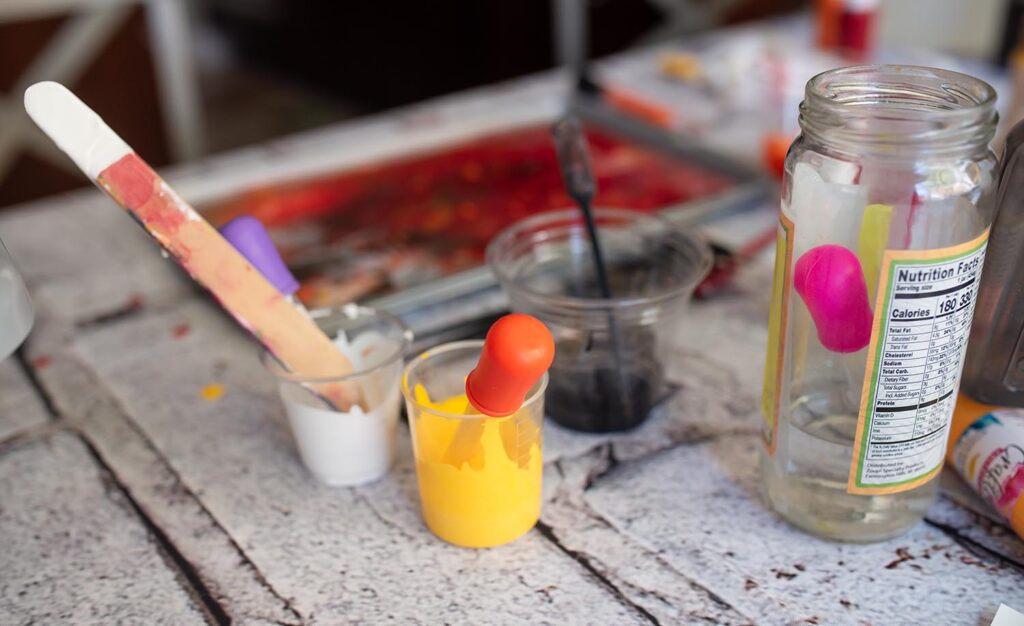
Related: I love this process art project that I wrote about in this post, Creative Kids: Paint Rockets Process Art Activity. It also includes a Paint Rocket tutorial printable you can download for free by clicking here.
School-Age (Ages 6-12)
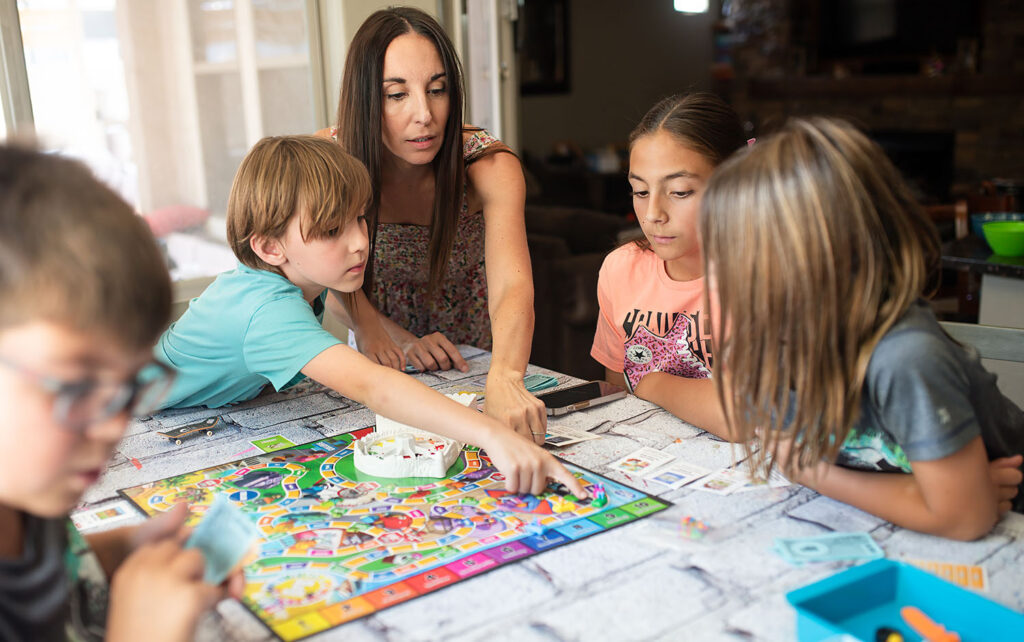
- Play board games that require strategy and cooperation
- Create ongoing story adventures or comic books together
- Engage in friendly competitions and challenges
- Encourage building projects and hands-on experiments
Tweens and Teens (Ages 13+)
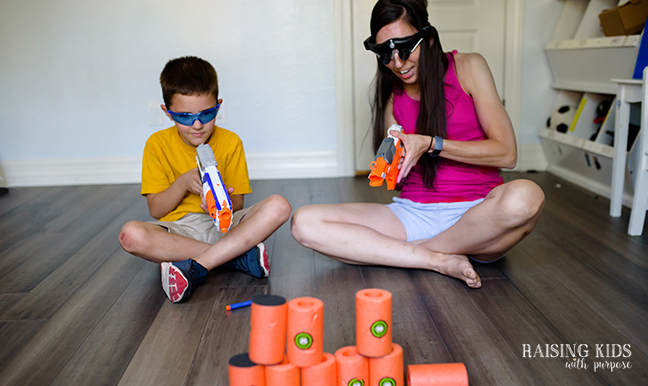
- Find shared interests (music, movies, sports)
- Engage in friendly debates about topics they care about
- Try new activities together (cooking, hiking, biking, taking art or cooking classes)
- Respect their growing need for independence while staying connected
Common Obstacles to Playful Parenting (And How to Overcome Them)
“I Don’t Have Time”
Honestly, you don’t have time NOT to be playful!
Here’s the truth: When you shift from demanding and controlling to being playful to connect, everything moves faster.
Think about it. How long does it take to have a power struggle over putting on shoes, like I mentioned earlier? How much time do you spend repeating yourself when your child isn’t listening? How many minutes are lost to meltdowns and resistance?
Now compare that to the two minutes it took for my son to transform from being resistant to an excited space traveler, ready to board our “spaceship” in the driveway.
When you make play your go-to strategy instead of control and demands, you’ll actually save time because:
- Kids cooperate faster when they’re engaged and having fun
- There are fewer meltdowns to work through
- Less resistance means less repetition of instructions
- Children are more likely to help when the request feels like a game
Being a playful parent isn’t about adding more to your schedule! It’s actually about changing how you approach what you’re already doing. And that shift can turn a 20-minute battle into a 2-minute adventure. Who wants to sign up for that?! I do, and I do it every day!
“I’m Not Creative”
Great news: you don’t need to be!
The most successful playful parents aren’t the ones coming up with all the ideas. They’re the ones who say “yes” to their child’s ideas and jump in wholeheartedly.
Your child is already bursting with creativity. Your job isn’t to generate ideas but to be their enthusiastic co-pilot. I want to make it so easy for you which is why I created this FREE Playful Scripts printable. It has common parenting challenges and a way to be playful for each one. You can download it here!
When your four-year-old announces that the living room is now a jungle, just go with it. As you read this, what could you quickly do? My first thought is to become a monkey. If you know me, that’s my go-to because it’s so easy!
When your toddler starts “cooking” with blocks, simply say, “Mmm, what are you making? Can I have some?”
The magic is in your willingness to enter their world with genuine interest.
“My Child Doesn’t Want to Play with Me”
This breaks my heart because it’s so common, and it’s usually not about you personally.
Often, children resist playing with parents because they’ve learned that “playing with mom or dad” comes with hidden agendas. The block building turns into a geometry lesson. The pretend play gets interrupted with corrections about sharing. They get in trouble for getting too many art supplies out.
Your child’s play brain is incredibly smart. If they sense that your version of play comes with expectations, evaluations, or interruptions, they’ll naturally protect their play space.
Here’s how to rebuild that trust:
- Start by being a safe observer.
- Sit nearby and simply comment on what you see without improving, teaching, or correcting. “I see you’re building something tall.” “That looks important.”
- Don’t ask to join.
- Don’t offer suggestions.
- Just be present and interested.
When they do invite you in, follow their rules. If they say you’re the baby dinosaur, be the baby dinosaur. If they change the game mid-stream, roll with it.
Your child needs to learn that playing with you is safe, fun, and agenda-free.
“I Feel Silly”
Then that means you’re doing it right!
That uncomfortable feeling of silliness is where the connection happens. The sillier the better! Your child lives in a world where adults are constantly telling them what to do, how to behave, and what’s appropriate. When you’re willing to be silly, you’re stepping into their world and speaking their language.
A child’s brain is completely in PLAY mode until about age 7, and it’s the absolute best way for them to learn. Also, it’s totally the language of all humans, no matter the age, we just kind of forget along the way.
And honestly? The more you practice being playful, the more natural it becomes. What feels awkward at first becomes second nature.
“My Partner (or Family Member) Thinks It’s Too Permissive”
This is a common misconception.
Playful parenting is not permissive parenting.
You’re not abandoning rules, boundaries, or expectations. You’re simply delivering those rules, boundaries, and expectations in your child’s language, which makes it way easier for them to follow and understand. Also, being playful opens the doorway to connection instead of resistance.
Examples:
Permissive approach: “Well, I guess you don’t have to brush your teeth tonight.”
Authoritarian approach: “Brush your teeth right now or you don’t get a bedtime story!”
Playful approach: “Oh no! I think I see some sugar bugs hiding in there. We need to send in the toothbrush rescue team!”
All three approaches lead to different outcomes. The playful approach maintains the boundary (teeth must be brushed) while making the experience enjoyable instead of adversarial.
Research consistently shows that children are actually MORE likely to follow rules and cooperate when the parent-child relationship is built on connection and joy.
When your child feels seen, heard, and enjoyed, it’s easy for them to want to work with you instead of against you. When they feel controlled and criticized, they naturally resist. You’re probably the same way because kids are human just like adults.
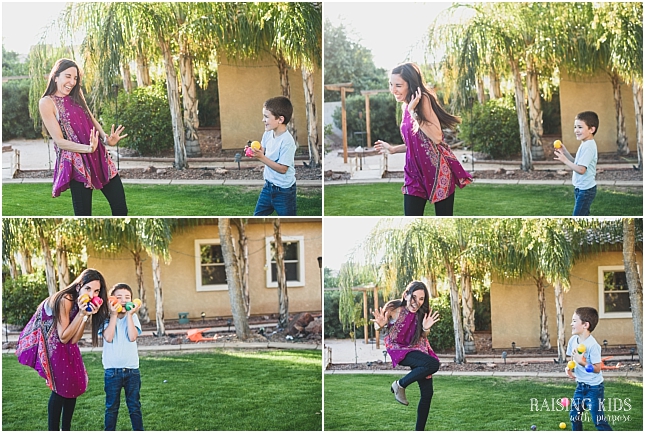
Playful parents often have “better-behaved” children, not because they’re more lenient, but because they’ve built a relationship where cooperation feels good instead of forced.
The Long-Term Benefits of Playful Parenting
When you consistently show up as a playful parent, you’re building a foundation for your child’s future.
Children who grow up with playful parents tend to:
- Have stronger emotional regulation skills
- Be more creative problem-solvers
- Develop better social relationships
- Show greater resilience in the face of challenges
- Maintain closer relationships with their parents into adulthood
I think about my own childhood, and the moments that stand out aren’t the gifts or trips. They’re the times my dad played with me or my little siblings or when my mom danced with me like no one was watching.
Those playful moments created a sense of safety and joy that I still carry with me today.
Creating a Playful Family Culture
Being a playful parent is about creating an overall family culture where joy, creativity, and connection are prioritized.
Start Family Traditions
Create weekly traditions that incorporate play:
- Friday night game tournaments
- Sunday morning dance parties
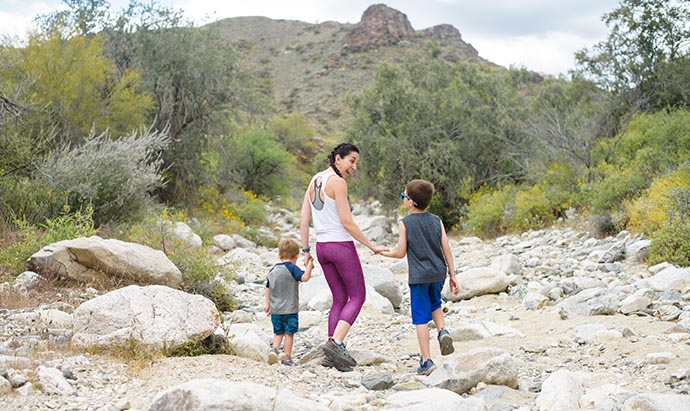
- Monthly family adventure days
- Seasonal activity challenges
Embrace Imperfection
Playful families understand that messes happen, plans change, and sometimes the best moments are completely unplanned.
Celebrate Small Moments
Don’t wait for big occasions to celebrate. Playful parents find reasons to celebrate ordinary Tuesday victories, creative solutions, and acts of kindness.
Make Room for Everyone’s Play Style
Some children are physical players, others are creative storytellers, and some prefer quiet building activities. Playful parents adapt to meet each child where they are.
Playful Parenting During Challenging Moments
One of the most powerful applications of playful parenting is during difficult moments. When your child is struggling with big emotions or challenging behaviors, play can be your secret weapon.
During Meltdowns
Instead of immediately trying to stop the emotional expression, sometimes you can use gentle playfulness to help your child regulate. Meet them where they are at and be mindful not to just “distract them” from what they are feeling. Instead, use play to help them make sense of what they’re feeling.
My favorite way I played with my boys when they were ages 2-5 was to ask them where I should put their anger. It was always fun to see where they told me to put it and how they quickly shifted to happiness in response to my over-the-top actions.
With my autistic son, who has sensory meltdowns, we would use stuffed animals a lot during meltdowns when he was younger. And now that he’s having them again as he goes through puberty, if I can get him to laugh by saying something sarcastic, ridiculous, or slightly inappropriate (that is still within our values), he calms down so much faster. It’s because the neural networks that are in charge completely switch from the emotional centers to the frontal lobe. The more you can help a child do this, the easier it’ll be for them to regulate.
During Power Struggles
When your child is resisting something they need to do, playfulness can transform opposition into cooperation. This is where play can be a SUPER POWER!
Drop the rope and don’t keep tugging back. Instead, become playful and see if they’ll take your lead.
During Sibling Conflicts
Playful redirection can often dissolve tension faster than lectures about sharing.
“Uh oh, I think I hear the arguing monster! Quick, everyone pile on me before it takes over the house!”
How Play Transformed A Mom’s Relationship With Her Son
I worked with a mom in my 12-week program who did not grow up playing. She’s from Thailand, and she was not to be seen, heard, or understood. This is what she shared when asked what changes she had seen in her home since working with me:
“My son has been feeling more heard because his feelings were validated. I feel like he felt more empathy from me (though not every single time). He became more regulated when I co-regulated with him. I think overall, he is feeling more supported emotionally. Also, I incorporated more Play, which was effective with daily routines.”
She went from getting into daily power struggles to get him to brush his teeth, get dressed, and eat breakfast to a moment of connection through play. And she saw huge improvements in his motivation to get ready and out the door for school on time!
Learn more about joining my 12 Week program called The P.U.R.P.O.S.E. Parent Transformation Program.
If you want to meet first, you can find a time and sign up here!
Your Playful Parenting Action Plan
Ready to embrace your inner playful parent? Here’s how to start:
Week 1: Observe and Notice
Pay attention to moments throughout your day when you could introduce playfulness. Don’t change anything yet, just notice the opportunities.
Look for “bids for attention” through play that your child is already giving you. And pay attention to what their strong interests are. I also recommend that you notice where you have the most resistance and power struggles.
Week 2: Start Small
Choose one routine (morning, bedtime, or cleanup) and experiment with adding playfulness. Keep it simple and follow your child’s lead.
A super easy way to start is to pick bedtime! Many parents already read to their kids at night. And if you have older kids, reading to them is super beneficial too; just pick books that are age-appropriate.
Then, when you read, use playful voices for the different characters. This is a great entry into being a more playful parent! Or as I mentioned, my go-to is to become a monkey when I want them to get into the shower or the bath.
Week 3: Address One Challenge
Think about one recurring challenge in your family and brainstorm how you could approach it playfully.
Try one new strategy this week.
Examples:
- Getting dressed
- Brushing teeth
- Helping with chores
- Doing homework
- Hitting
- Refusing to go to bed
- Struggling with transitions
I think you get the point!
Week 4: Create a Family Play Ritual
Establish one regular playful tradition, such as a five-minute dance party after dinner or creating silly voices for bedtime stories, like I said earlier.
The Gift You’re Really Giving
When you choose to be a playful parent, you’re giving your child so much more than entertainment.
You’re giving them:
- The security of knowing they matter to you
- The confidence that comes from feeling truly seen and enjoyed
- The skills to approach life’s challenges with creativity and resilience
- The foundation for healthy relationships throughout their life
- Memories that will warm their hearts for decades to come
You’re also giving yourself the gift of rediscovering joy in parenting.
When you approach parenting playfully, those overwhelming moments become opportunities for connection. Those challenging behaviors become puzzles to solve together. Those ordinary days become filled with extraordinary moments.
Download Your Playful Parenting Scripts
Being a playful parent isn’t about being perfect or always having the right activity planned.
It’s about showing up with curiosity, flexibility, and an open heart. It’s about remembering that the goal isn’t to raise children who never struggle or always behave perfectly. The goal is to raise humans who feel deeply connected to their family, who have the tools to navigate life’s challenges, and who carry the gift of joy with them wherever they go.
So today, I challenge you to try one small moment of playfulness. And I’ve made it easy for you with these Playful Parenting Scripts so you don’t have to make anything up!
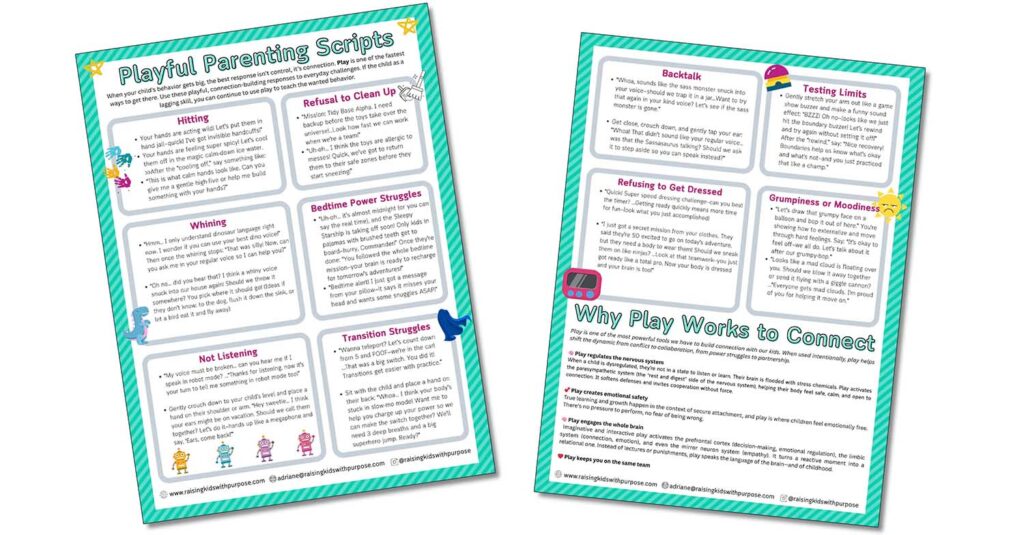
Fill out the form below to sign up for my newsletter, and you’ll get a free Playful Parenting Script sent directly to your inbox.
Play with Purpose Parenting Class
Looking for more than just a blog post about playing with your kids? Join me for a 4-week Play with Purpose parenting class. You can enroll now, and you’ll also find the live class dates!
If you would like to find a time to talk through how I can best support you, simply click on a time below!

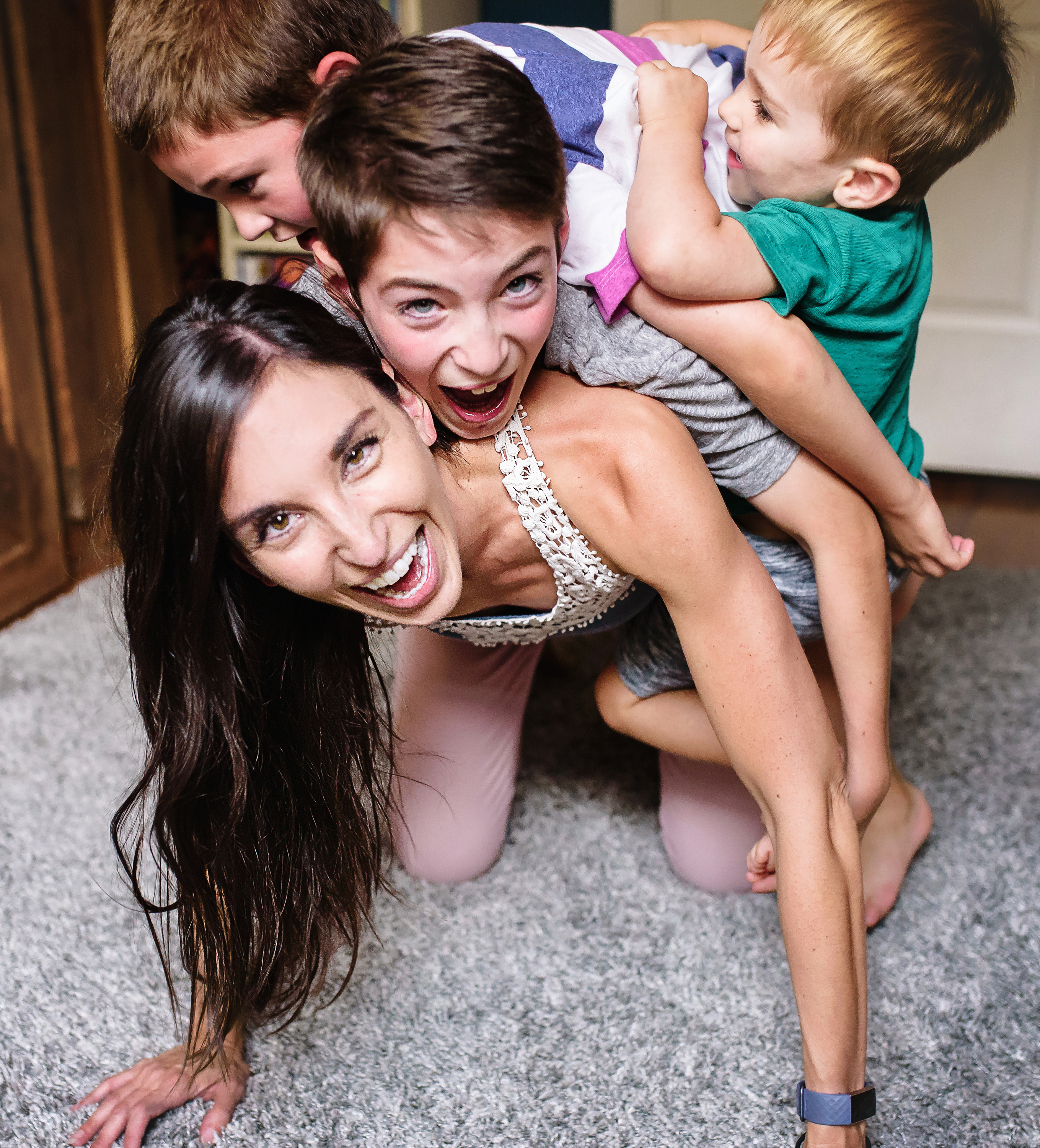
Hello!!! I’m Adriane. I’m a mom to three loud boys, am a research-a-holic and very passionate person who writes at Raising Kids With Purpose. Parenting can feel so hard sometimes but with mindset shifts and understanding, it can be very enjoyable. My hope is to inspire parents like you to create lifelong connections with your children and enjoy the journey along the way!
This is so helpful! I’ve been working on implementing some of this into my life. I’m not someone who “naturally” is good at play so this blog post was super helpful for me!