Why Kids Do the Opposite of What You Say
Inside: In episode 34 of The Raising Kids With Purpose podcast, I uncover why kids do the opposite of what you say. It’s not because they are being defiant or want to make life harder; it’s because the way you communicate might be making it too hard for them to process what to do instead.
Table of Contents
EP 34: WHY KIDS DO THE EXACT OPPOSITE OF WHAT YOU SAY
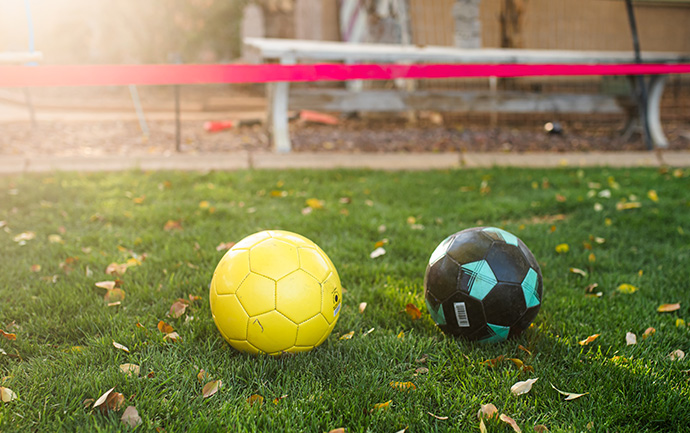
My youngest plays on a 9- and 10-year-old soccer team. Every game, when the other team charges toward our goal, you hear the same thing from the sidelines: “DON’T KICK IT IN THE MIDDLE!”
And every single time? Right in the middle.
Then the coach changed his words. “Kick it to the sides! Kick it out! Kick it to Jake, up the sideline!” And he pointed.
Holy cow. They started getting it. Not perfectly (they’re nine), but so much better.
Same kids. Same game. Different words.
Why the brain can’t do a “don’t”
Try this: don’t think about a pink elephant.
Yep. You just pictured one.
To understand “don’t kick it in the middle,” the brain has to picture the middle first, then cancel that picture. That’s two steps. “Kick it to the sides” is one step, and it hands the brain a clear picture of exactly what to do.
This shows up in research, too. Psychologist Daniel Wegner studied golfers who were told, “Don’t overshoot the hole.” When they were under pressure or distracted, they overshot more. The “don’t” planted the very thing they were trying to avoid. And those were grown adults.
That “cancel” button lives in the prefrontal cortex, the wise, thinking part of the brain I call the owl brain. In our kids, it’s still under construction until their mid-twenties. Under stress, it goes offline and the body’s alarm system takes over. And an alarmed brain grabs the clearest, most recent picture it has.
If the last word it heard was “middle”… you know where that ball is going.
So when your child does the exact thing you just told them not to do, it’s usually not defiance. It’s a growing brain doing its best with the picture you gave it.
One more reason: counterwill
n invitation than a There’s another piece, and it’s a big one. It’s called counterwill, a term from developmental psychologist Gordon Neufeld. Counterwill is our built-in instinct to resist when we feel pushed or controlled.
We all have it. Think about the last time someone told you, “Don’t eat that cookie.” Suddenly you really want the cookie.
In kids, counterwill is part of healthy development. It protects their growing sense of self, the part of them learning “I am my own person.” A “don’t” can feel like a push, and the instinct pushes right back. It gets louder when kids are tired, overwhelmed, or feeling disconnected from us.
The good news? The same flip helps here too. Telling kids what to do feels more like command. Add a little connection and a choice, and you take the push out of it completely:
- Connect first. Get down to their level, a hand on the shoulder, a smile. Connection before direction.
- Offer a choice inside the limit. “Do you want to hold the cart or walk right next to it?” Both answers are a yes for you.
- Make it a team. “In our family, we use gentle hands.” Now it’s who we are, not just what you said.
When kids feel connected and have a say, counterwill quiets down. They don’t need to fight to feel like themselves.

Why “don’t” is every parent’s go-to
If you’re cringing because “don’t” is half your vocabulary, same here. There are real reasons it’s our default.
Our brains spot danger first. We see the problem before we see the solution. Your kid is standing on the couch, and your brain screams couch before it ever thinks floor.
“Don’t” is fast. When we’re stressed, we’re in alarm mode too. Figuring out what we actually want takes a second of owl brain, and in the moment we don’t have it.
Most of us grew up on it. Don’t talk back. Don’t cry. Don’t touch that. It’s the language wired into us, so of course it’s what comes out.
That’s not you failing. That’s a pattern. And patterns can be rewritten.
The Flip: say what you want to see
Here’s the tool. Three quick steps.
- Catch the “don’t.” You’ll hear it come out. Great, that’s awareness. You don’t have to get it right the first time.
- Ask yourself, “What do I want to see?” Literally picture your child doing the right thing.
- Say that picture out loud. Short, specific, something they can see in their head.
Already said “don’t”? Just add instead. “Don’t run… instead, walking feet.” Easy repair.
| Instead of… | Try… |
|---|---|
| “Don’t run in the store.” | “Walking feet, stay right by the cart.” |
| “Stop yelling.” | “Can you show me your inside voice?” |
| “Don’t hit your brother.” | “Hands in your pockets. Tell him, ‘Stop, I don’t like that.'” |
| “Don’t slam the door.” | “Close it so softly it doesn’t wake the dogs.” |
| “Don’t forget your water bottle.” | “Water bottle in your backpack before shoes.” |
And remember that coach? He didn’t just say it. He pointed. Whenever you can, show your child the target. Visual cues are gold, especially for our neurodivergent kiddos.
Bonus: try The Flip on yourself. “Don’t lose it today” becomes “I’m going to take a breath before I respond.” Your brain needs a picture too, friend.
Your challenge this week
Catch just one “don’t.” Flip it. Watch what happens. Then send me a message and tell me how it went, because I want to celebrate that with you.
If you want more help turning limits into clear, connected words, that’s exactly what we practice in Module 10 of my Raising Kids With Purpose course, Setting Boundaries with Purpose. [LINK]
Say what you want to see. Kick it to the sides.
If you want more support because doing the “flip” isn’t enough, find time on my calendar below!
With joy,
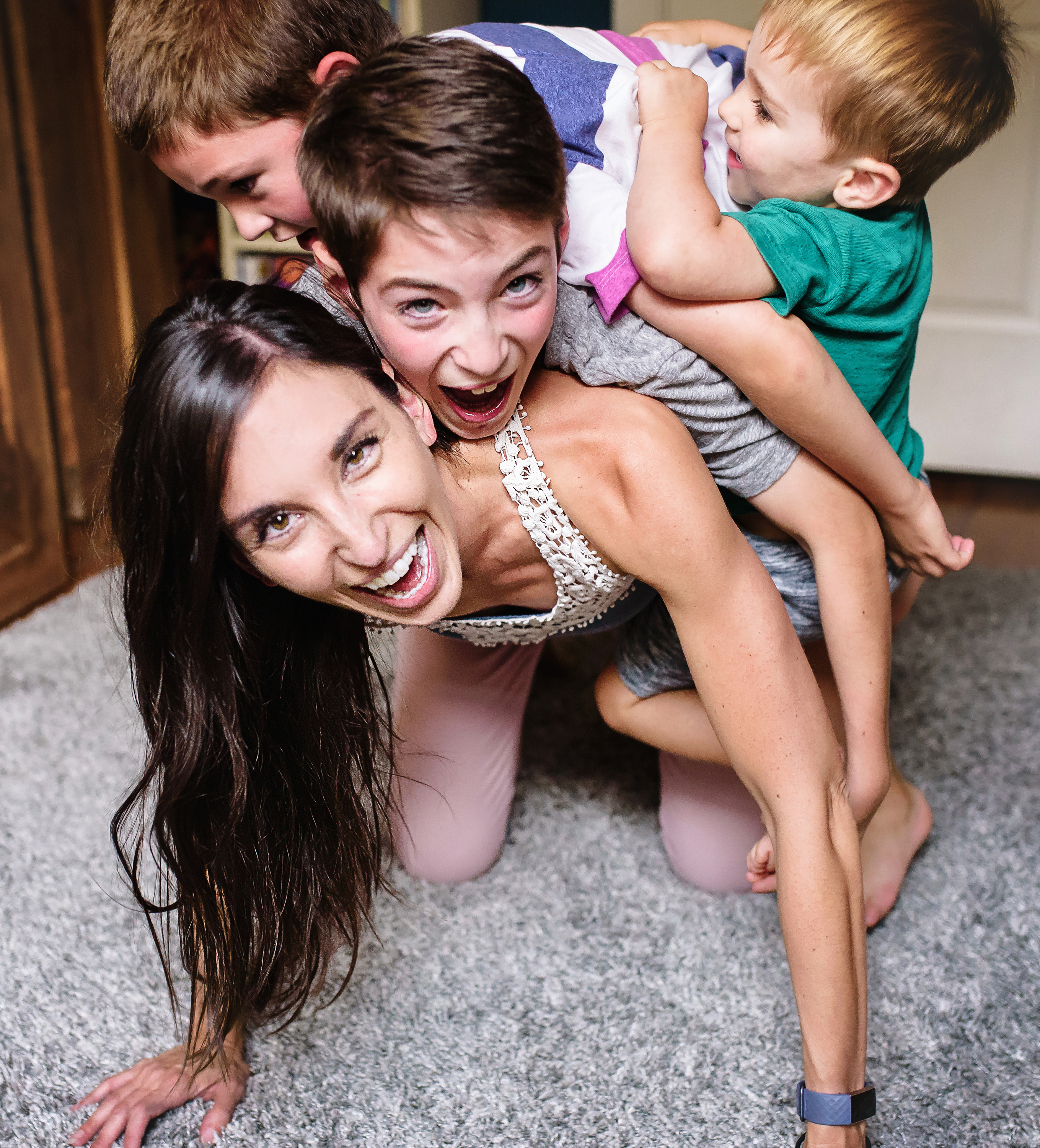
Hello!!! I’m Adriane. I’m a mom to three loud boys, am a research-a-holic and very passionate person who writes at Raising Kids With Purpose. Parenting can feel so hard sometimes but with mindset shifts and understanding, it can be very enjoyable. My hope is to inspire parents like you to create lifelong connections with your children and enjoy the journey along the way!